
Conditioned by the Air – Class Exercise – 2023
To watch the video, click on the image below. ⬇️⬇️⬇️
The American Night
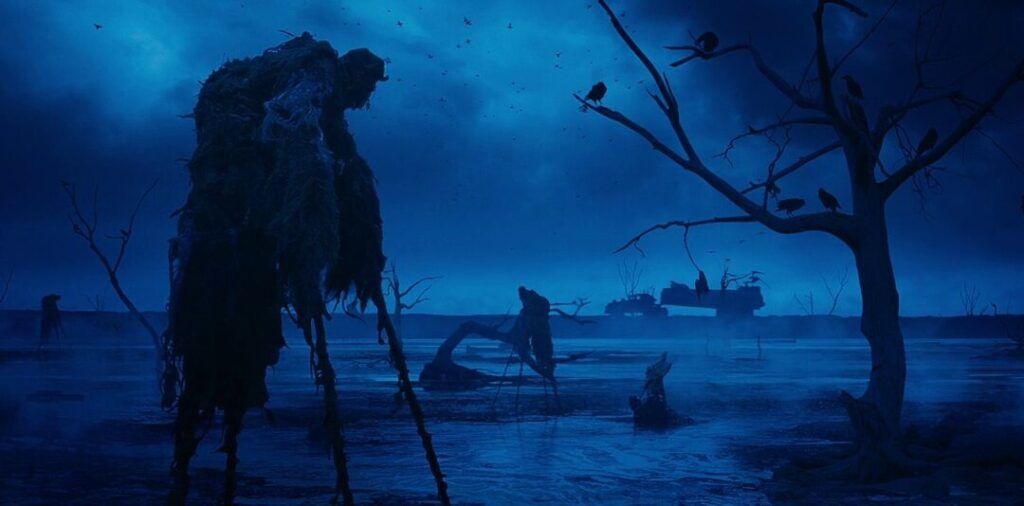
Day for Night in Cinema: A Journey Through Its History and Technique
Introduction
In filmmaking, the Day for Night technique has fascinated directors, cinematographers, and audiences alike. This method allows filmmakers to shoot scenes during daylight hours while creating the illusion that they take place at night, preserving image quality and providing greater creative control. In this article, we will explore what Day for Night is, how it is achieved, why it is used, and some of the most iconic examples of the technique in cinema history.
Alternatives to the Three-Act Structure
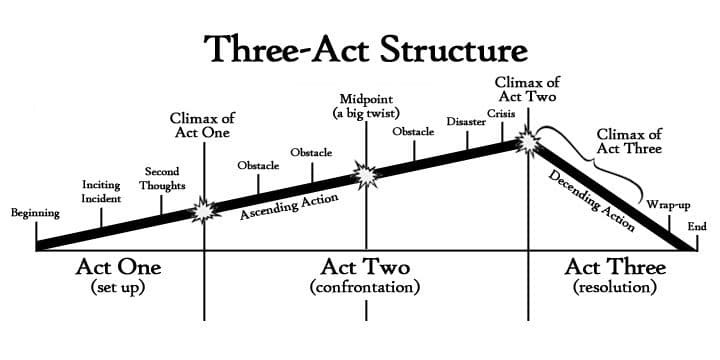
Exploring Alternatives to the Three-Act Structure in Screenwriting
Throughout the history of cinema, the three-act structure has been a fundamental tool in storytelling and screenwriting. However, in the search for new ways to tell stories, writers have explored a variety of alternatives that challenge this traditional framework. In this article, we will explore some of the most interesting alternatives to the three-act structure and how they can offer fresh and innovative approaches to cinematic storytelling.
Cinematic Transitions
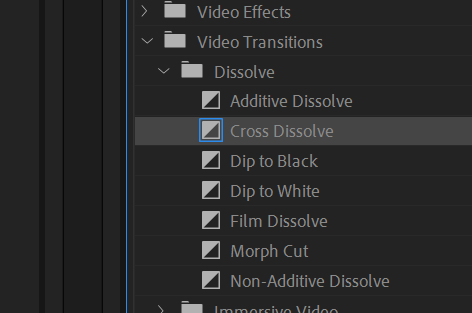
Cinematic Transitions: The Subtle Dance Between Scenes in Film
Cinematic transitions are far more than simple changes between scenes—they are the visual rhythm that guides a story. These techniques allow the narrative to flow smoothly, establish tone, indicate the passage of time, and lead the audience emotionally through the film. In this article, we explore some of the most common transitions used in cinema, along with iconic examples that demonstrate their impact on storytelling.
How Actors Break Down Scripts
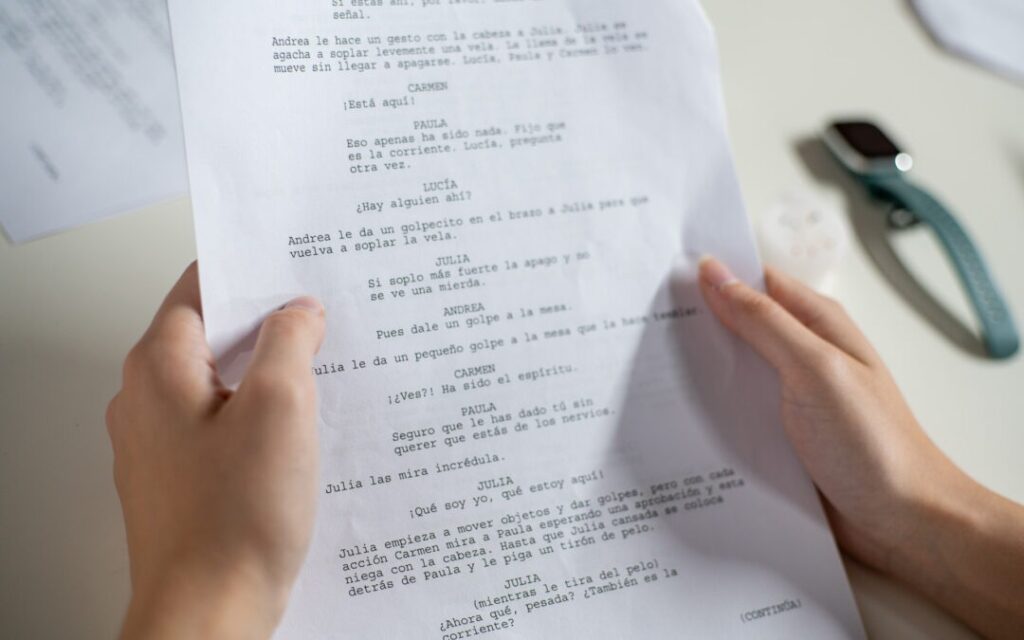
Decoding the Script: How Actors Break Down Screenplays to Prepare for a Role
Preparing for a film role is a complex and multifaceted process that goes far beyond simply memorizing lines. Actors must immerse themselves in the world of the screenplay, uncovering each layer of the narrative to gain a deep understanding of their characters and the story’s dynamics. In this article, we will explore how actors break down screenplays as an essential part of their preparation process.
Moiré Effect in Video

Understanding the Moiré Effect in Video: What It Is, Where It Comes From, and How to Prevent It
If you have ever recorded a video and noticed wavy lines or strange shimmering patterns on clothing with prints or highly detailed textures, you have likely encountered the Moiré effect. This visual phenomenon can be a real challenge for videographers and content creators, but understanding its origin and how to prevent it can help you achieve cleaner and more professional-looking footage.
The Best Seat in the Cinema
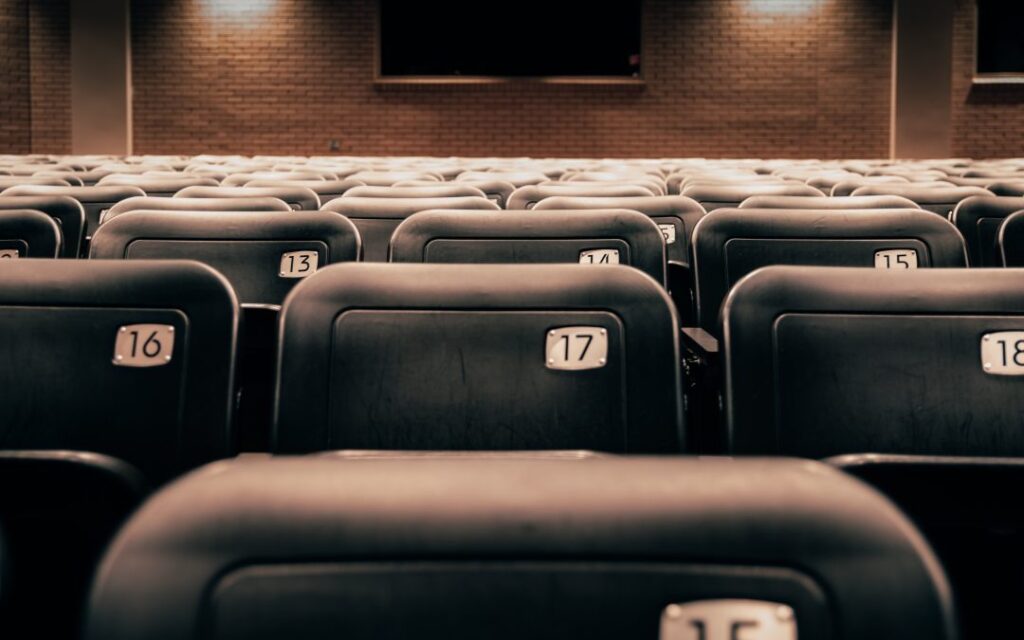
The Best Seat in the Cinema: Finding Your Sweet Spot for the Perfect Movie Experience
Going to the movies is an exciting experience, and finding the ideal seat can make the difference between a comfortable, memorable screening and one where you struggle with discomfort. In this article, we explore the search for the best seat in the cinema and how to find your personal sweet spot for the perfect cinematic experience.
The Soundtrack in Films
When we think about films, striking visuals and captivating stories often come to mind. However, the soundtrack is equally crucial in creating an immersive experience. But what exactly is a soundtrack, what does it consist of, who are the key professionals involved in its creation, and how does it differ from musical composition? Let’s explore these aspects in detail.
Comedy in Cinema
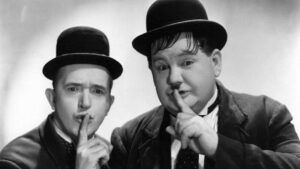
Comedy in cinema is a genre based on humorous situations that aim to provoke laughter from the audience.
It originated in Ancient Greece and later evolved through medieval European culture, where it became part of popular traditions. Over time, it established itself as an important artistic genre, especially in theatre and later in film.
Film comedy has its roots in caricature. In this genre, powerful or respectable characters are often placed in difficult or ridiculous situations for the audience’s enjoyment, using visual jokes or situations known in film language as gags. A gag is essentially a visual joke performed on screen and represents one of the basic narrative units of comedic cinema.
The Use of the Jump Cut in Cinema
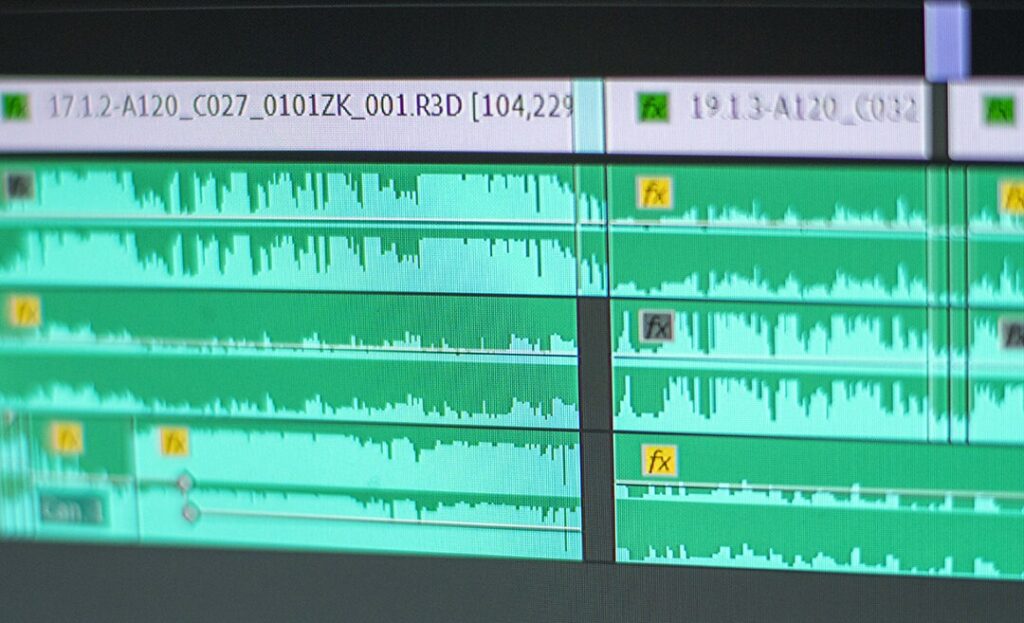
The Power of the Visual Jump: The Use of the Jump Cut in Cinema
The Jump Cut, known for its abrupt and dynamic transition between two shots, is a cinematic technique that has evolved significantly over time. In this article, we will explore how the jump cut is used in filmmaking and when it becomes a powerful narrative choice, highlighting some memorable examples of its application in cinema.