1. Non-Linear Structure:
An intriguing alternative to the traditional three-act structure is non-linear storytelling. Instead of presenting events in chronological order, writers can move back and forth through time, revealing key moments out of sequence. This approach, popularized by films such as Pulp Fiction, offers audiences a unique and engaging viewing experience.
2. Character-Driven Structure:
Rather than focusing primarily on plot points, some screenwriters build their stories around character development. This technique places greater emphasis on the emotional and psychological evolution of the protagonists, resulting in more intimate and personal narratives. A notable example is Boyhood, which follows the life of a young boy over twelve years.
3. Multiple Narrative Structure:
The use of interconnected storylines is another fascinating alternative. Instead of following a single main plot, this structure presents several narratives that intersect at key moments. Crash is a well-known example, where different stories become linked through chance encounters, creating a complex web of relationships.
4. Theme-Based Structure:
Some writers prefer to organize their stories around central themes or ideas rather than specific events. This allows for a deeper exploration of universal concepts and emotions. The film Eternal Sunshine of the Spotless Mind uses this approach to examine the nature of love, memory, and identity.
5. Circular Structure:
Instead of following a straight narrative path, some stories adopt a circular structure in which the ending connects directly to the beginning. This approach can create a looping effect, offering new insights with each repetition. Groundhog Day is a classic example of this storytelling technique.
6. Episodic Structure:
Inspired by television storytelling, the episodic structure divides the narrative into separate but interconnected segments. Each episode may focus on different characters or plotlines, providing a broader perspective on the overall story. Magnolia is a notable example, weaving together multiple stories throughout the film.
Conclusion:
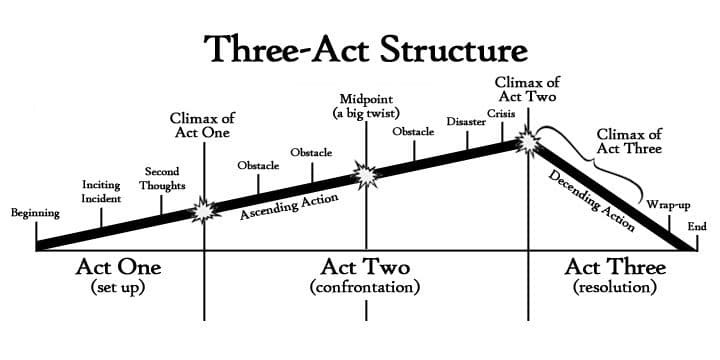
As cinematic storytelling continues to evolve, screenwriters increasingly challenge the conventions of the traditional three-act structure. Experimenting with alternative narrative forms not only expands creative possibilities but also enriches the audience’s experience by defying expectations. Ultimately, the choice of structure depends on the story being told and the emotional impact the writer hopes to achieve.