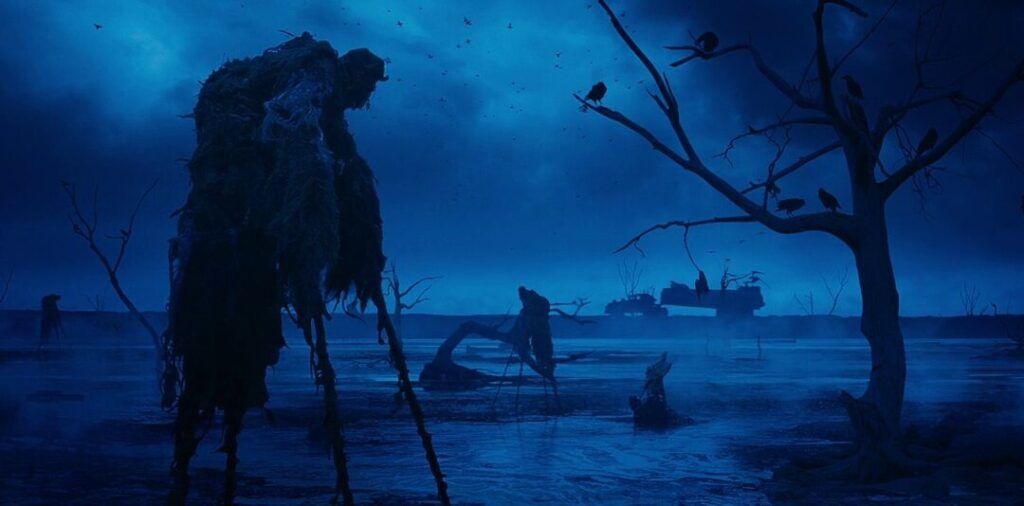
What Is Day for Night?
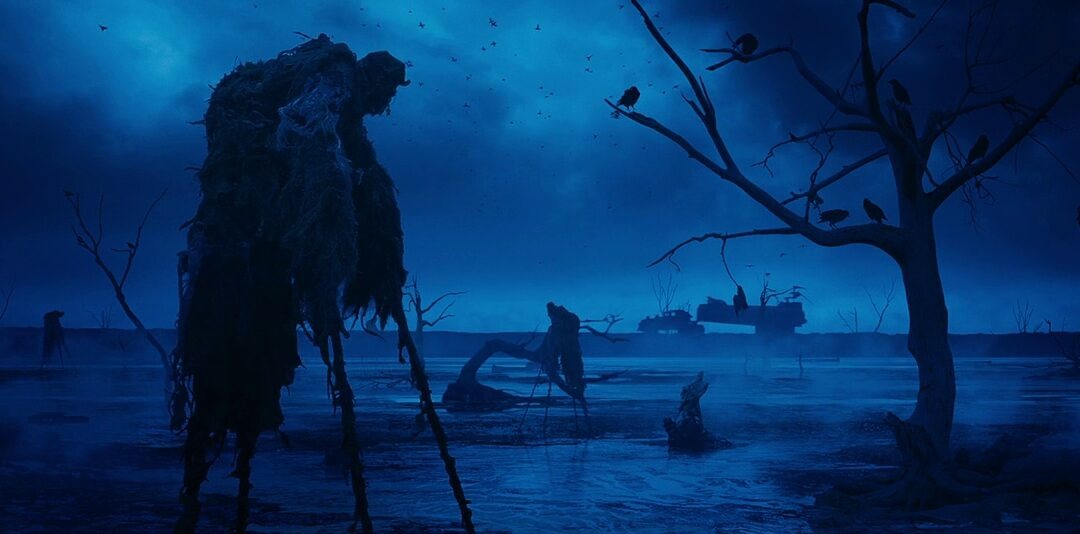
The “Day for Night” technique is a filmmaking method in which scenes that are meant to appear as though they take place at night are actually filmed during daylight hours. Through the use of filters and post-production adjustments, the image is manipulated to look as if it were shot under moonlight or in a nighttime environment.
How Is It Achieved?
Several techniques are commonly used to create the Day for Night effect:
Lens Filters: Neutral density or blue filters are placed in front of the camera lens. These filters reduce the amount of light entering the camera and add a cooler tone that mimics nighttime lighting.
Underexposure: During filming, the image is slightly underexposed, meaning less light reaches the camera sensor. This darkens shadows and helps create the illusion that the scene is taking place at night.
Post-Production: During editing, brightness, contrast, and color levels are adjusted to enhance the darkness of the scene and remove visual clues that might reveal it was filmed during the day.
Why Is It Used?
Day for Night is primarily used for practical and economic reasons. Shooting at night can be challenging and expensive due to the need for additional lighting, specialized equipment, and limited production schedules. By filming during the day, filmmakers can avoid these difficulties while maintaining greater control over image quality, as daylight often provides more clarity and detail than artificial nighttime lighting.
A Brief History of Day for Night
The technique dates back to the earliest days of cinema, when technological limitations made nighttime filming extremely difficult. Some of the earliest examples can be found in silent films, where exposure manipulation and the use of filters were essential for creating convincing visual effects.
One of the directors most closely associated with this technique was François Truffaut, who even named one of his films Day for Night (1973) after it. In the film, Truffaut not only references the technique but also explores its use within the filmmaking process itself, making it an essential part of the narrative.
Notable Examples
Jaws (1975): In this iconic film by Steven Spielberg, Day for Night was used in several beach sequences, creating a sense of impending danger without the complications of nighttime shooting.
Mad Max: Fury Road (2015): George Miller’s film uses Day for Night in several desert sequences, allowing nighttime scenes to be filmed in daylight while maintaining visual consistency in an extreme environment.
Conclusion:
Day for Night remains a valuable cinematic technique, enabling filmmakers to create high-quality nighttime scenes without the challenges of shooting in low-light conditions. Although technology has advanced and more options are now available for filming at night, Day for Night continues to be a practical and artistic resource for many filmmakers.