1. Straight Cut (Cut): The Basic Language of Cinema
The straight cut is the most common and fundamental transition in filmmaking. It consists of moving instantly from one shot to another without any intermediate effect. Although simple, when used effectively it can create rhythm, continuity, or narrative contrast.
Example: In The Godfather, directed by Francis Ford Coppola, straight cuts are masterfully used to alternate between parallel scenes, such as the baptism sequence and the series of assassinations, intensifying the dramatic tension.
2. Fade to Black or White (Fade): Conveying Time or Emotion
A fade occurs when the image gradually disappears into black or white, often symbolizing a pause, the passage of time, or a shift in mood or setting.
Example: In Titanic, directed by James Cameron, fades to black separate memories from the present timeline, creating an emotional connection between the past and the story being told.
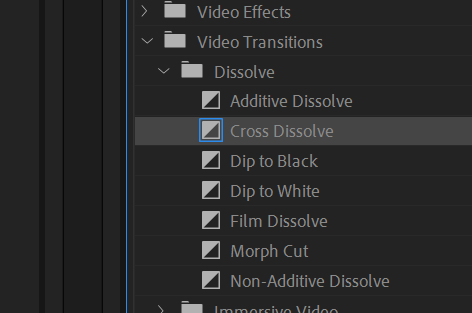
3. Crossfade: Connecting Moments
A crossfade briefly overlaps two images, creating a smooth visual connection. It is often used to highlight thematic or visual relationships between scenes.
Example: In Citizen Kane, Orson Welles uses crossfades to illustrate the emotional transitions of the protagonist throughout different stages of his life.
4. Dissolve: Fluid Narrative Transitions
A dissolve allows one image to gradually disappear while another simultaneously emerges. It creates a sense of continuity and harmony between scenes.
Example: In Forrest Gump, dissolves connect different chapters of the main character’s life, reinforcing the idea of life as a continuous journey.
5. Jump Cut: Energy and Rhythm Disruption
The jump cut intentionally breaks visual continuity to create impact. It can be used to generate energy, tension, or represent an altered psychological state.
Example: Requiem for a Dream, directed by Darren Aronofsky, uses jump cuts extensively to portray chaos, addiction, and the psychological fragmentation of its characters.
6. Digital Transitions and Visual Effects
Thanks to modern technology, transitions can now incorporate sophisticated visual effects that expand storytelling possibilities beyond traditional editing techniques.
Example: In Inception, Christopher Nolan employs visual effects-driven transitions to represent dream states that challenge the audience’s perception of time and reality.
Conclusion: Transitions That Tell Stories Without Words
Cinematic transitions are an invisible yet essential part of audiovisual language. Far more than simple aesthetic changes, they function as emotional, temporal, and narrative bridges. Whether subtle or bold, traditional or innovative, transitions play a vital role in immersing audiences in a seamless and engaging storytelling experience.