
1. Initial Reading and Overall Understanding:
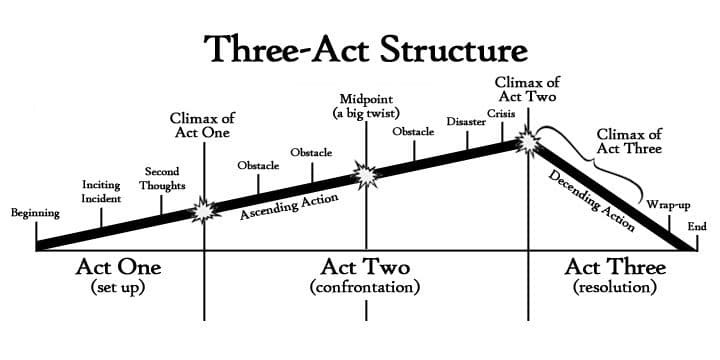
The first crucial step is the initial reading of the script. At this stage, actors aim to understand the story as a whole. They immerse themselves in the overall plot, identify the central themes, and grasp the essence of the key characters. This step lays the foundation for a more detailed script breakdown process.
2. Character Analysis:
Once they have a broad understanding of the story, actors focus on analyzing their character. They examine the information provided in the script, including physical descriptions, background, relationships, and dialogue. Key questions include: What is the character’s primary motivation? How does the character evolve throughout the story?
3. Identifying Character Arcs:
Actors look for their character’s narrative arc—that is, how they change and grow throughout the story. They analyze how the character’s experiences influence their emotional, psychological, or moral development. Identifying these key transformation points is essential for delivering an authentic performance.
4. Scene-by-Scene Breakdown:
To fully understand their character’s journey, actors break down the script scene by scene. They analyze the character’s actions, emotions, and objectives in every moment. What does the character want in this scene? How does this contribute to the overall narrative?
5. Research and Context:
Research plays a vital role in creating authenticity. Actors may investigate specific aspects related to their characters, such as professions, historical periods, cultural contexts, or medical conditions. This additional knowledge enriches their understanding of both the character and the world of the story.
6. Interpersonal Relationships:
Character dynamics are essential to storytelling. Actors examine their relationships with other characters, looking for clues in the script about shared history, conflicts, emotional connections, and personal growth. How do these relationships influence the character at different points in the story?
7. Dialogue Exploration:
Dialogue provides a direct window into a character’s mind. Actors explore not only what is being said, but also what remains unspoken. They analyze the intentions behind the words, underlying emotions, and subtle nuances within verbal communication.
8. Attention to Environmental Details:
Awareness of environmental details is equally important. Actors study descriptions of settings, locations, and circumstances to understand how these elements influence their character’s psychology, behavior, and decision-making.
9. Exploring Motivations:
Understanding a character’s deeper motivations is essential. Actors seek to uncover what drives their character’s actions in every situation. What are their desires, fears, ambitions, and internal conflicts?
10. Collaboration with the Director and Creative Team:
Collaboration with the director and creative team is the final piece of the puzzle. Actors share their interpretations, discuss potential approaches, and receive guidance to ensure consistency with the overall vision of the project.
Conclusion
Breaking down a screenplay is a meticulous process that involves a deep exploration of the story, characters, and narrative dynamics. Through this process, actors immerse themselves in the very fabric of the narrative, enabling them to bring their characters to life in an authentic, meaningful, and compelling way on screen.