What Are Visual Effects (VFX)?
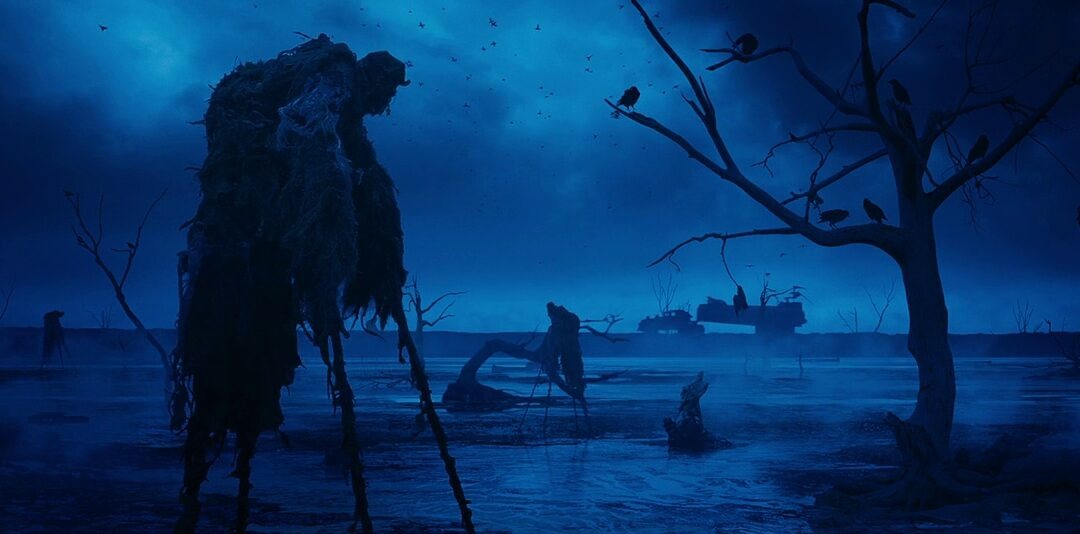
Visual effects (VFX) involve the digital creation or manipulation of images using advanced software and technology. They are implemented during post-production and are used to add elements that cannot be physically captured on set or would be too expensive or dangerous to film in reality.
Examples include:
* Digital creatures (such as Gollum in The Lord of the Rings)
* Imaginary worlds (such as Pandora in Avatar)
* Complex physical simulations (such as collapsing buildings or tsunamis)
Beyond fantasy and science fiction, VFX are also widely used in dramas and historical films to reconstruct cities, remove unwanted elements from a shot, or even digitally de-age actors.
What Are Special Effects (FX)?
Special effects, also known as practical effects, are created physically during filming on set. They involve mechanical, physical, or in-camera techniques that are captured directly by the camera. This includes everything from real explosions to prosthetic makeup or hydraulic rigs used to simulate movement.
Common examples of FX include:
* Real explosions in action films
* Fake blood in horror movies
* Prosthetic makeup and masks (such as in The Exorcist)
* Miniature models, artificial rain or fire, and wire work for flying effects
FX provide a tangible sense of realism that actors can physically interact with, often enhancing their on-screen performance.
Why Is It Important to Know the Difference?
For filmmakers, producers, and actors, understanding the distinction between these two types of effects is essential for:
* Planning budgets accurately
* Designing more realistic scenes
* Combining both approaches for greater cinematic impact
The right balance between FX and VFX not only optimizes resources but also creates a harmony between the physical and the imaginary.
Conclusion
Visual effects and special effects are not rivals, but complementary tools in cinematic storytelling. Each has its own purpose and value, and together they create the unforgettable magic that transforms a story into a powerful visual experience. Understanding their differences allows us to better appreciate the craftsmanship behind every stunning scene on screen.