1. What Is a Jump Cut?
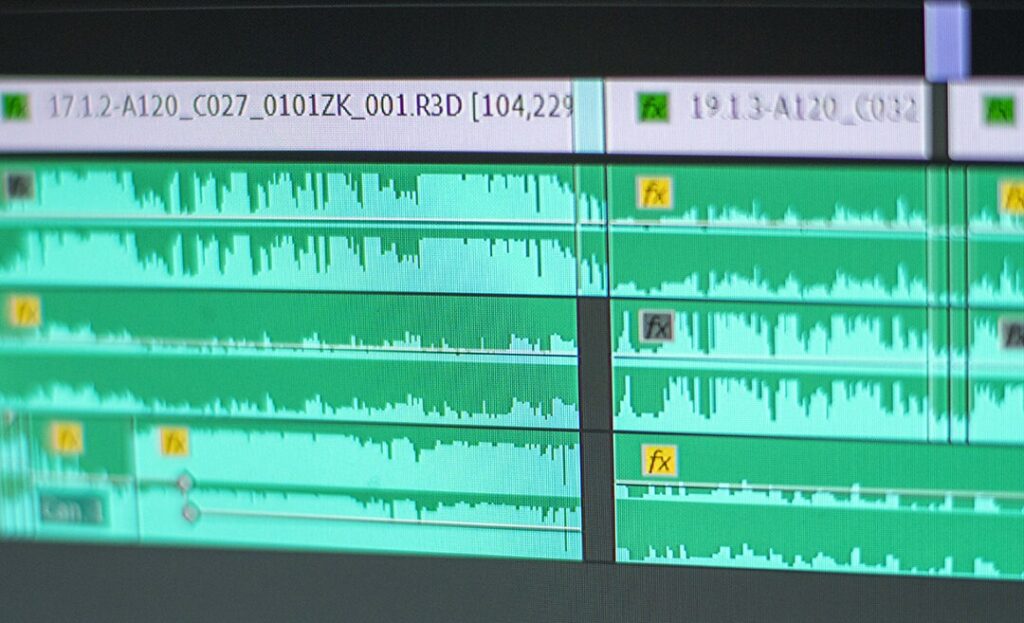
A jump cut is a visual editing transition that occurs when two consecutive shots display a noticeable change in composition, framing, or subject position, creating a sudden visual “jump.” It is often associated with shifts in time, space, or a character’s emotional state.
2. Experimental and Avant-Garde Style
Throughout film history, avant-garde and experimental filmmakers have embraced the jump cut as a form of artistic expression. In Breathless (À bout de souffle), directed by Jean-Luc Godard, jump cuts are deliberately used to create a modern and provocative aesthetic, breaking away from traditional cinematic conventions.
3. Rhythm and Tension
Jump cuts can be used to increase pace and tension within specific scenes. In action films such as The Bourne Ultimatum, directed by Paul Greengrass, jump cuts are employed during chase sequences to heighten the sense of chaos and urgency, immersing the audience directly into the action.
4. Representing the Passage of Time
Sometimes jump cuts are used as an efficient way to portray the passage of time. In Up in the Air, directed by Jason Reitman, the protagonist, played by George Clooney, travels constantly for work, and jump cuts are used to quickly move through different locations and situations, emphasizing his fast-paced lifestyle.
5. Expressing Emotional Instability
The jump cut can be a powerful tool for conveying a character’s emotional or psychological instability. In Fight Club, directed by David Fincher, jump cuts reflect the protagonist’s growing mental confusion and fractured perception of reality as he descends into chaos and dissociation.
6. Connecting Visual Contrasts
In some films, jump cuts are used to connect visually distinct moments in surprising and creative ways. In La La Land, directed by Damien Chazelle, jump cuts are incorporated into dance sequences to seamlessly blend separate moments into a fluid and captivating choreography.
7. Fragmented and Psychological Storytelling
Filmmakers such as Christopher Nolan have used jump cuts to create fragmented and psychologically complex narratives. In Memento, the story unfolds in reverse order, and jump cuts help present fragments of the protagonist’s memory, gradually revealing the intricate structure of the plot.
8. Documentary Style and Realism
In documentary filmmaking, jump cuts can be used to capture spontaneity and authenticity. In Super Size Me, directed by Morgan Spurlock, jump cuts emphasize the raw and direct presentation of the filmmaker’s experiences and the effects of fast food on health.
Conclusion:
Although the jump cut was initially associated with editing mistakes, it has evolved into a powerful stylistic and expressive tool in cinema. Whether used to convey emotion, intensify action, compress time, or fragment a narrative, the jump cut remains one of the most intriguing and effective techniques in modern filmmaking.